Start here
Is the Cálem fado tour worth it?
What 75 minutes in a Gaia port cellar give you: a guided tour, a white port and a special reserve, a short fado set. Who it suits, and who should pass.
Book the cellar tour with fado ↗Quick answer
Yes, for most first-time visitors to Porto who want port and fado in one compact evening. You spend about half an hour walking the Cálem cellars in Vila Nova de Gaia, then sit for about 45 minutes of live fado, sung by a man and a woman to the guitarra and a classical guitar, while you taste a white port and a special reserve. It runs in English only, includes no food, and free cancellation ends three days before your date.
The short answer
The Cálem fado tour is worth booking if you want a tidy introduction to two things Porto is known for and you have one evening to give it. The value is in the combination: you learn how port is made where it is aged, then you hear fado sung live a few metres away with a glass in your hand. What it will not do is replace a full fado concert or a long tasting. Treat it as a well-run sampler, judge it on that, and most visitors leave happy.
What happens in the 75 minutes
The order matters. The tour comes first and the music second, so the evening builds from the casks to the song. Both parts happen at the cellars, and you do not move between venues. The timings in the list are approximate and can shift a little on the night. The English session runs once each early evening, starting a little earlier in the winter months, November through March. Read the start time on your booking email before reserving a table for dinner.
- You meet the guide at the Cálem cellars on the Gaia riverfront.
- A guided tour of about 30 minutes covers port's history and how it is made.
- You take a seat, and two ports are served as the music starts.
- About 45 minutes of fado follow, with two singers and two guitars.
What you taste
Two glasses: a white port and a special reserve, both served during the performance rather than at a separate tasting table. White port is made from white grapes and, according to Portugal's port wine institute (IVDP), ranges from extra dry to the very sweet style called lágrima. The institute suggests serving it chilled, often before a meal. Reserve is a step-up category the IVDP recognises in both the ruby and the tawny families, so expect something richer than the white. Two pours is a tasting, not a session. If comparing many styles is your goal, a longer tasting elsewhere suits you better.
What you hear
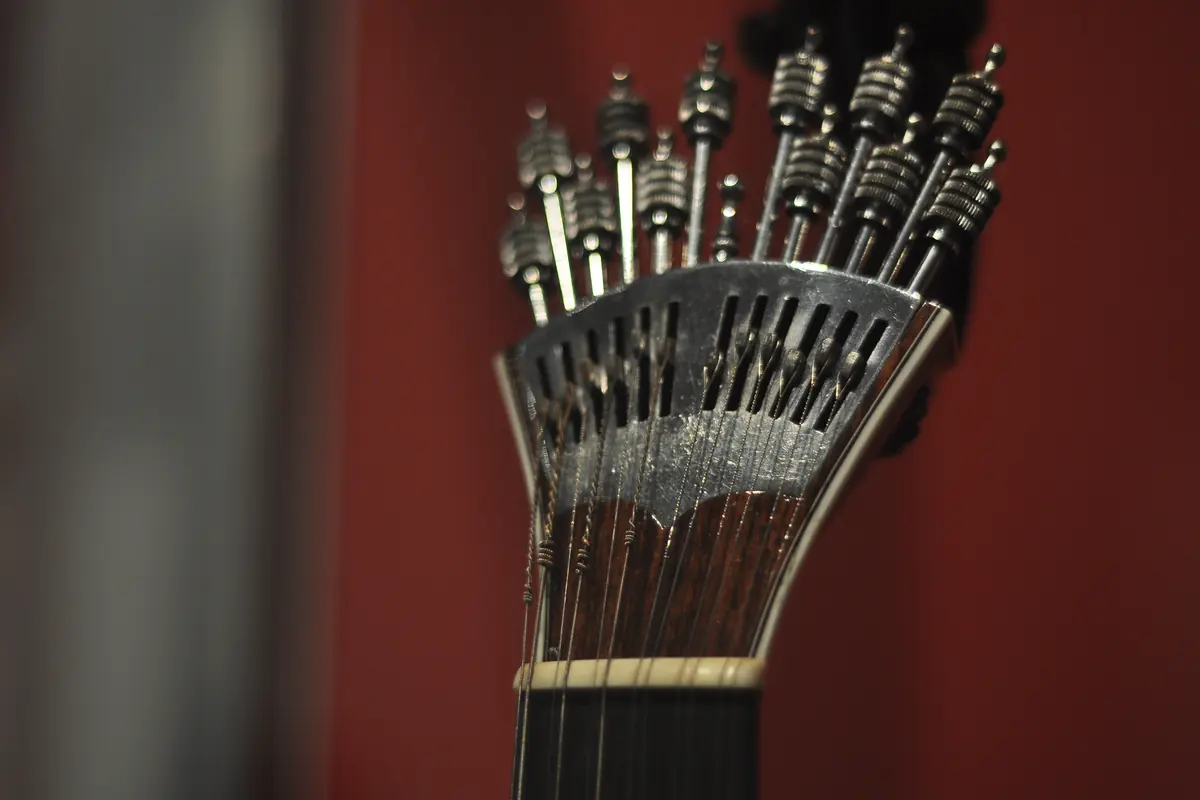
The set features a male and a female singer, backed by two guitarists: one on the Portuguese guitar, one on the classical guitar. UNESCO, which inscribed fado on its intangible heritage list in 2011, describes the classic line-up the same way: a solo voice, an acoustic guitar and the pear-shaped Portuguese guitarra with its twelve wire strings. That guitar plays the melody and the ornaments between the lines, while the classical guitar keeps the rhythm. Expect songs sung in Portuguese, with feeling rather than volume, and a pause before applause when a song ends.
The cellars themselves
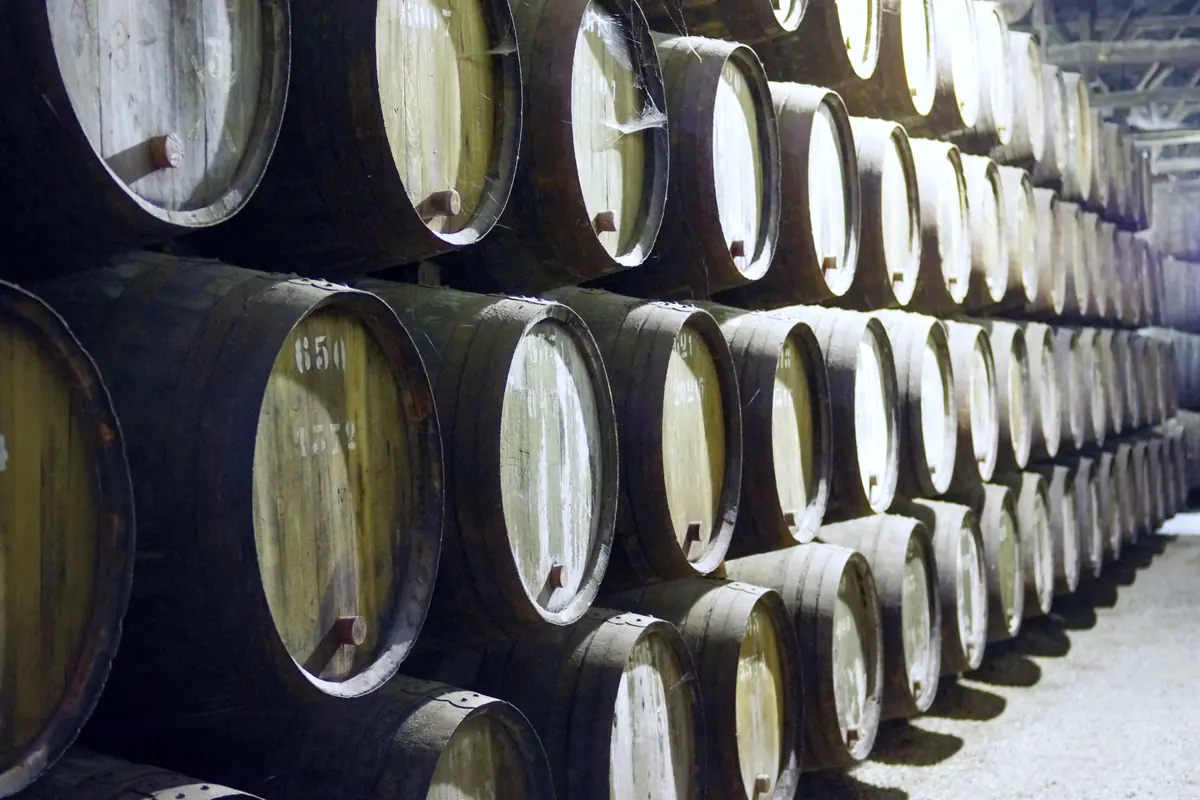
The Cálem house was founded in 1859 by António Alves Cálem, who set out to ship port across the Atlantic to Brazil, according to the company's own history page. Its lodge on the Gaia riverfront is where the wines age, in tall wooden vats and long rows of smaller casks, the two ways port matures. Wikipedia names Cálem as the leading port brand in Portugal as of 2014. On the tour you walk among those vats and casks and hear how the wine reached them, before you sit down for the music.
What it isn't
It is not a full fado concert. The music is the second half of a cellar tour, so you hear a set, not an evening of songs. It is not a dinner, and no food is included. It is not a deep tasting either, with two glasses and no flight of aged tawnies. A recent German visitor called it very touristy while still enjoying it, which is a fair summary: the format is designed for visitors and run at scale. None of that makes it poor value. It simply tells you what to compare it with, and what to plan around it.
The three-day cancellation rule
This is the detail most people miss. Free cancellation on this tour runs only until three days before the date, not the 24 hours common on Porto activities. Inside that window, a change of plan costs you the ticket. So book once your Porto evenings are fixed, and be careful if your arrival depends on a flight or a train that could slip. The cellars' own museum tour, by comparison, allows free cancellation up to 24 hours before. If flexibility matters more than the music, that difference may decide it for you.
English only, one early-evening time
The tour runs in English only, so it suits English speakers and people comfortable following a guide in English. The songs themselves are in Portuguese whatever the language of the tour. Because there is one English session in the early evening, the tour slots neatly before dinner, and you come out with time to cross the river or eat in Gaia. It also means you cannot shift to a later slot on the same day if you run late, so leave a margin.
Who this isn't for
If one of these describes you, there are better fits. A dedicated fado concert in Porto gives you more songs; the cellars' museum tour gives you more port knowledge, in four languages, with a looser cancellation rule; and a walk along the Gaia riverfront costs nothing at all. The fado tour is strongest for someone who wants a little of everything and is happy with an English-speaking group setting.
- Fado fans hoping for a complete concert or a fado dinner.
- Non-drinkers, since the tasting is woven into the music.
- Visitors who would rather follow a guide in German, French or Spanish.
- Travellers whose plans may change inside three days of the date.
How it compares with the museum tour
The same cellars sell a second visit: a guided tour with an interactive museum about the Douro and a tasting of two or three ports, depending on the option. It is shorter, cheaper to cancel and runs in more languages, but it has no music. Choose the fado tour if the evening and the live set are the point. Choose the museum tour if you care most about understanding port, or if your group mixes languages. The comparison guide weighs one against the other.
Read next: Cálem: fado tour or museum tour?
Before you book
Eat before or after, because no food is included and two ports on an empty stomach go further than you expect. The tour is listed as accessible by wheelchair, and it bars pets and smoking. Arrive a little early at the cellar door on Avenida de Diogo Leite, since the group starts together and the tour has one English time. Finally, check the date's availability early in busy months: the tour is marked as likely to sell out, and a full date leaves you with the museum visit or another lodge instead.
Frequently asked questions
Is the Cálem fado tour worth it?
If it is your first time in Porto, very likely. In about 75 minutes you tour a working port lodge, taste two ports and hear live fado. It is a compact sampler, not a full concert or a long tasting, so judge it on that.
What ports do you taste?
Two: a white port and a special reserve. Both are served during the fado performance, so you drink them while you listen rather than at a separate tasting table.
How long is the fado part?
About 45 minutes, after a guided cellar tour of about 30 minutes. The whole visit takes about 75 minutes. Timings are approximate and can vary a little.
What language is the tour in?
English. The fado songs are sung in Portuguese, as they always are, and there is one English session in the early evening.
Can I get my money back if plans change?
Only if you cancel three or more days before the date, in which case the refund is full. That is a longer window than many Porto activities, so book once your plans are firm.
Is there anything to eat?
No. You get the cellar tour, the two-port tasting and the fado show. Eat before or after; the Gaia riverfront has restaurants near the cellars.
Sources